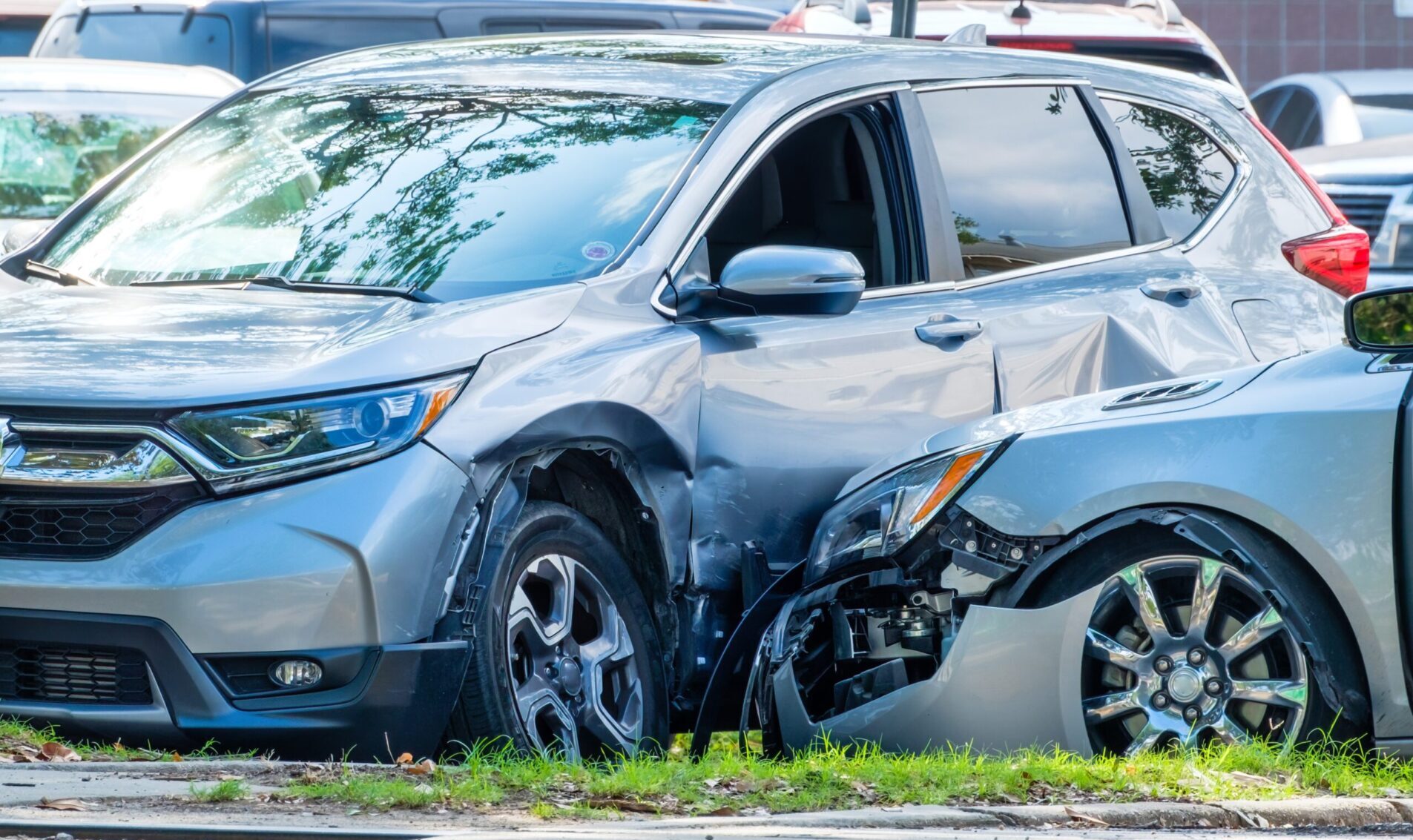
12/18/2025
Statute of Limitations in Florida Personal Injury Cases: What Victims Need to Know


If you’ve been injured in an accident in Florida, understanding how negligence law works could be the difference between receiving fair compensation and walking away with nothing. Florida’s legal landscape has shifted significantly in recent years, and knowing where you stand under the current rules matters more than ever.
At Pitkin Law, we help injured Floridians navigate these complex laws every day. We’re here to make sure you understand your rights before making any decisions about your case. Whether you were hurt in a car accident, a slip and fall, or due to someone else’s carelessness, Florida negligence law governs whether you can recover damages and how much you may be entitled to. Our team has years of experience handling personal injury claims throughout Naples and Southwest Florida, and we’re ready to put that experience to work for you. If you have questions after reading this guide, call us today at (239) 438-1114 to speak with a member of our team.
Negligence, in plain terms, means that someone failed to act with reasonable care, and that failure caused harm to someone else. In personal injury law, negligence forms the foundation of most personal injury claims.
Florida’s negligence laws have undergone notable changes in recent years, most significantly with a 2023 reform that changed how fault is divided between parties. Understanding those changes is critical if you’re pursuing a claim in 2026.
To succeed in a Florida negligence claim, you generally need to prove four elements. If any one of them is missing, your case may not hold up in court.
Every person has a legal obligation to act in a reasonably careful way to avoid harming others. This duty applies broadly across everyday situations:
The existence of a duty of care is usually the easiest element to establish, but it’s still a necessary piece of the puzzle.
A breach occurs when someone fails to live up to that duty. This could mean:
Careless, reckless, or intentional behavior can all qualify as a breach, depending on the circumstances.
Even if someone acted carelessly, you must show that their conduct directly caused your injury. Florida courts look at two types of causation:
Both must be present for your claim to move forward. This element is often where cases get complicated, especially when pre-existing conditions or multiple parties are involved.
Finally, you must have suffered actual, measurable harm. In Florida personal injury cases, damages typically fall into a few categories:
If you’ve suffered serious or catastrophic injuries, your damages may increase due to the severity. Documenting everything from the start is crucial to building a strong case.
One of the most common questions we hear is: “Is Florida a pure comparative negligence state?” The simple answer is no.
Prior to 2023, Florida followed a pure comparative negligence system, which allowed injured parties to recover compensation even if they were 99% responsible for their own injuries. That changed with the passage of HB 837 in March 2023, which introduced a modified comparative negligence system with a critical new rule.
Under Florida’s current comparative negligence law, you can only recover compensation if you are found to be 50% or less at fault for the accident. If you are found to be 51% or more at fault, you are completely barred from recovering any damages. This is sometimes called the 50% bar rule, and it represents a significant shift from how Florida handled fault for decades.
If you’re unsure how fault might be assigned in your case, speaking with a Florida injury attorney with Pitkin Law sooner rather than later can protect your ability to recover. Call us today at (239) 438-1114 to get started.
Under Florida comparative negligence law, any compensation you’re awarded is reduced by your percentage of fault. Here’s how that plays out in practice:
That reduction can be significant, especially in high-value cases involving serious injuries. And if your fault reaches 51%, you receive nothing at all.
Insurance companies are well aware of this rule, and they will often try to inflate your percentage of fault to minimize or eliminate their payout. Having an attorney in your corner who understands Florida comparative fault law can make a real difference in how that number is ultimately determined.
Call Pitkin Law at (239) 438-1114 to talk through the specifics of your situation and find out what your case may be worth.
Florida negligence law comes into play across a wide range of accident and injury scenarios, including:
No matter what type of accident you were involved in, the same four elements must be proven, and the same comparative fault rules apply.
Being partially at fault does not automatically mean you can’t recover compensation. Under Florida’s modified comparative negligence system, you can still pursue a claim as long as your share of fault doesn’t exceed 50%.
Here’s what you should do:
Insurance companies have teams of adjusters and lawyers working to reduce what they pay out. You deserve the same level of representation on your side.
Negligence cases are rarely as simple as they look at first. Evidence must be gathered and preserved quickly. Medical records need to be obtained and reviewed. Fault needs to be carefully documented and argued. Insurance companies need to be negotiated with, and sometimes litigation is unavoidable.
A skilled personal injury attorney can help you in several important ways:
Having legal representation also signals to insurance companies that you’re serious, which often leads to better settlement offers from the start.
At Pitkin Law, we’ve built our reputation on fighting hard for injured Floridians. We understand the ins and outs of Florida negligence law and the 2023 comparative fault changes, and we know how to use that knowledge to pursue the best possible outcome for our clients. We take a personal, hands-on approach to every case, and we’re committed to making sure you never feel like another file.
Our team handles the full range of personal injury and negligence claims in Naples and throughout Southwest Florida. From car accidents to premises liability to catastrophic injuries, we have the experience and resources to go up against insurance companies and defense attorneys who would rather minimize your recovery than do what’s right.
Florida negligence law in 2026 is more nuanced than it’s ever been. The 50% bar rule, the shift away from pure comparative negligence, and the strategies insurers use to assign fault all create real risks for injured people who try to navigate the system alone.
You don’t have to figure this out by yourself. If you or a loved one has been injured due to someone else’s negligence, Pitkin Law is ready to help. Contact us today at (239) 438-1114 to schedule a consultation and speak directly with a member of our legal team. The sooner you call, the sooner we can start protecting your rights.