12/18/2025
Statute of Limitations in Florida Personal Injury Cases: What Victims Need to Know


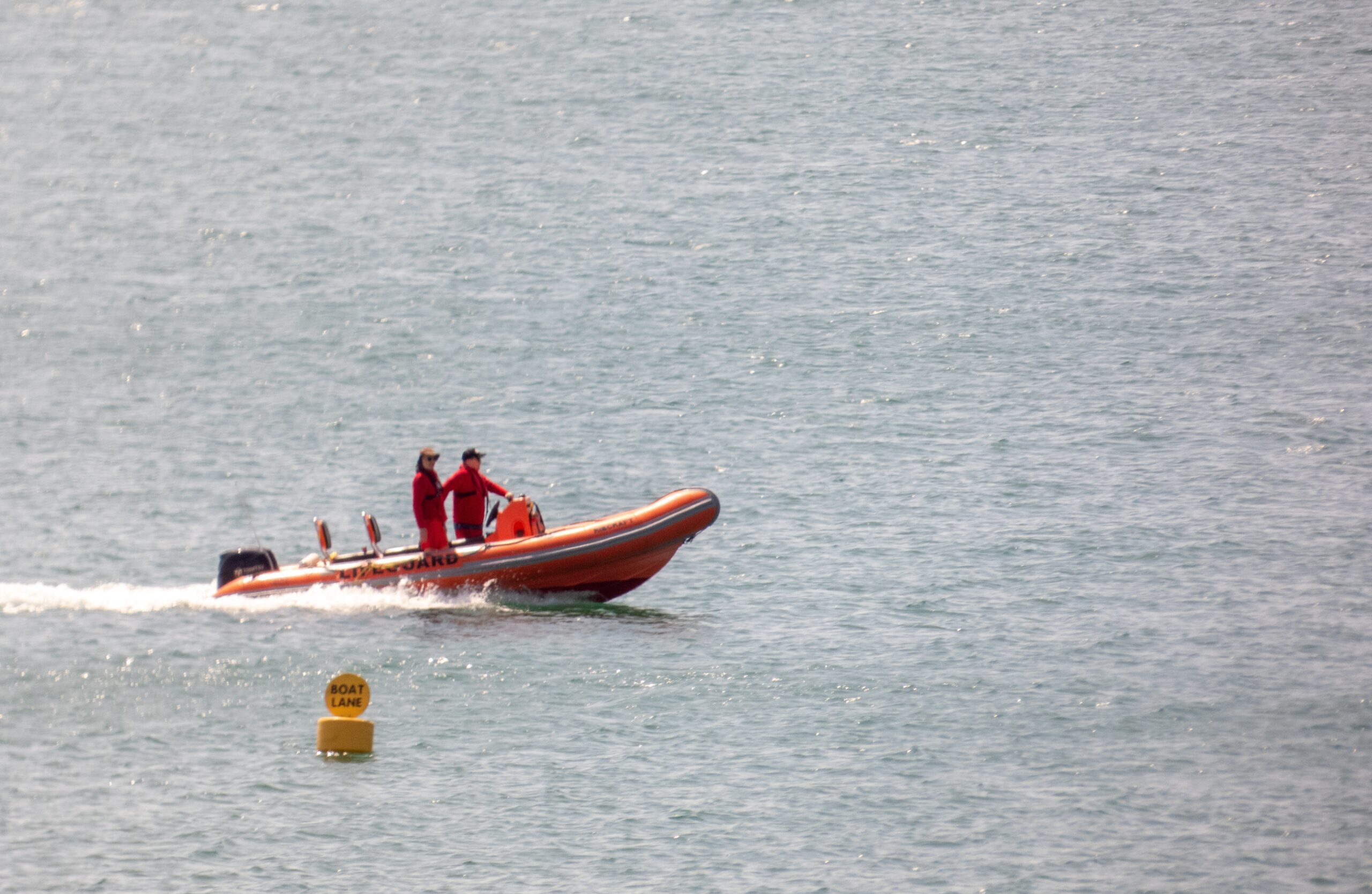
The Sunshine State is one of the busiest foreign and domestic travel destinations in the Southwest. Warm, inviting beaches and gulf waters attracts thousands upon thousands of travelers each year. Between the tourists and the locals, the waters are stuffed with boats year round, and with that many vessels in the water accidents are bound to happen.
Pitkin Law represents boating accident victims and families throughout Naples and Southwest Florida. Call us at (239) 438-1114 for a free consultation.
According to Florida Fish and Wildlife Conservation Commission data, drowning accounts for the majority of boating fatalities in Florida each year, and in most cases the victim was not wearing a life jacket at the time of the accident.
Florida recorded approximately 694 reportable boating accidents in 2025 resulting in more than 50 fatalities. Florida consistently ranks among the top states nationally for total boating accidents and fatalities..
The 2025 data reinforces a broader trend. The overall fatality numbers are gradually declining, but the underlying risk factors that cause the accidents have not changed. Florida’s waterways are busier than ever, and the combination of inexperienced operators, alcohol use, and crowded conditions continues to produce potentially preventable tragedies.
Drowning is the leading cause of death in Florida boating accidents, accounting for just over half of the fatalities recorded in 2025. These deaths often occur when someone is thrown overboard after a collision, sudden course change, wave impact, or vessel instability. Once a person enters the water, survival often depends on whether they were wearing a life jacket and how quickly rescue arrives.
Open-water drowning can happen very quickly, especially if the victim is injured, disoriented, or unconscious. In many fatal boating accidents, the victim was not wearing a personal flotation device, which can make it much harder to stay afloat and be found in time. A life jacket does not prevent the accident itself, but it may improve the chances of survival after someone goes overboard.
Florida’s declining boating fatality numbers likely reflect several positive trends, including expanded safety education for younger operators, stronger enforcement of boating under the influence laws, and better emergency response resources. Awareness of life jacket use has also improved in recent years, even though usage still falls short of what safety experts recommend.
Still, fewer fatalities do not mean Florida waterways are safe. The number of registered vessels and overall recreational boating activity continues to grow, which creates more opportunities for accidents. Crowded waterways during peak seasons and holidays remain especially dangerous.
Fatal boating accidents in Florida can happen in several different ways, but drowning remains the leading cause of death. In many cases, the chain of events starts with a fall overboard, a collision, or an operator error that leaves someone in the water or causes a catastrophic impact. Alcohol use, excessive speed, inexperience, and poor weather judgment often make these accidents more dangerous and more likely to turn fatal.
Drowning is the leading cause of death in Florida boating accidents, and it is closely tied to two factors: falling overboard and not wearing a life jacket. Once a person enters the water, especially after a sudden impact or fall, the outcome can change in seconds. A victim may be injured, disoriented, or unable to swim effectively, which makes rescue far more difficult.
Drowning can also happen even when other people are nearby, because open water, waves, currents, and visibility issues can make it hard to reach someone quickly. In many fatal cases, the victim was not wearing a personal flotation device, which greatly reduces the chance of staying afloat long enough for help to arrive. A life jacket does not prevent the accident itself, but it can dramatically improve survival odds after someone ends up in the water.
Falling overboard is one of the most common ways boating fatalities begin, and it often leads directly to drowning. It can happen during collisions, sudden turns, rough water, or when a vessel becomes unstable. Passengers are also more likely to go overboard if they are standing in unsafe places, moving around while the boat is in motion, or caught off guard by a wave or impact.
Once someone is in the water, the danger increases quickly, especially if they are not wearing a life jacket. Even a strong swimmer may struggle in open water if they are hurt, tired, or thrown from the vessel unexpectedly. For that reason, falling overboard is not just a separate accident type, but one of the most direct and dangerous pathways to a fatal boating accident in Florida.
Collisions with fixed objects, such as docks, bridges, pilings, or sandbars, can cause severe trauma and death. These crashes often happen when an operator is traveling too fast, is unfamiliar with local waterways, or is navigating in poor visibility. The force of impact can throw passengers from the vessel or cause catastrophic injuries on contact.
In many cases, these accidents are preventable because they involve poor judgment, unsafe speed, or failure to recognize hazards in the water. Nighttime boating and changing weather conditions can make fixed objects even harder to see. When a boat strikes a stationary object at speed, the injuries are often serious enough to become fatal.
Boating collisions involving two vessels can produce devastating injuries because of the combined speed and force involved. These incidents are especially common in busy waterways, near inlets, and around popular anchorages where traffic is heavy. A collision may crush passengers, throw people overboard, or cause the boat to capsize.
These accidents often involve operator error, inattentiveness, or failure to follow navigation rules. When multiple boats are moving through the same area, the risk rises if one operator is not keeping a proper lookout or misjudges distance and speed. A vessel-to-vessel collision can quickly turn deadly, especially if passengers are ejected into the water.
Alcohol and drug use remain major contributors to fatal boating accidents in Florida. Impairment affects balance, reaction time, judgment, and coordination, all of which are essential for safe boat operation. A distracted or impaired operator is more likely to make mistakes that lead to collisions, falls overboard, or other deadly outcomes.
Boating under the influence is especially dangerous because people often underestimate how quickly conditions can change on the water. Even a small lapse in attention can have serious consequences when the vessel is moving at speed or operating in crowded areas. Florida treats boating under the influence seriously because impairment dramatically increases the risk of fatal accidents.
Excessive speed makes boating accidents more dangerous because it reduces reaction time and increases the force of any impact. High-speed operation also makes it easier for passengers to be thrown from the vessel or lose their balance. On personal watercraft, these risks are often even greater because of the way the vehicles handle and the speed at which they are commonly operated.
Dangerous operation also includes sharp turns, reckless maneuvering, and unsafe handling in crowded or unfamiliar waters. When an operator pushes speed beyond safe limits, even a minor mistake can become catastrophic. In fatal boating cases, speed is often a key factor in how severe the crash becomes.
Many recreational boat operators have little formal training before taking a vessel out on Florida waters. That lack of experience can lead to serious mistakes in navigation, speed control, docking, and emergency response. Inexperienced operators may also be less likely to recognize weather changes, traffic patterns, or warning signs of danger.
A new or untrained operator may not know how quickly a small error can escalate on the water. They may also fail to appreciate how different boating is from driving a car, especially in crowded or changing conditions. When inexperience combines with speed, weather, or alcohol, the risk of a fatal accident increases sharply.
Boat operators are expected to stay alert and watch for hazards, other vessels, swimmers, and changing water conditions. Failing to keep a proper lookout can lead to collisions, groundings, and other serious accidents. On busy waterways, even a moment of distraction can have deadly consequences.
Proper lookout is especially important in low visibility, around curves, and in areas with heavy traffic. An operator who is looking at a phone, talking with passengers, or simply not paying attention may miss critical hazards in time to avoid them. Many fatal boating accidents happen because someone did not see the danger until it was too late.
Florida weather can change quickly, especially during storm season, and conditions that seem manageable at first can become dangerous in a short period of time. Operators who continue traveling in rough weather, low visibility, or unfamiliar waters place everyone on board at greater risk. Poor navigation decisions can also lead to collisions, groundings, or falling overboard.
Bad weather and poor visibility make every other boating hazard more dangerous. When an operator misjudges the conditions or fails to adjust course and speed, the chance of a fatal accident increases significantly. Safe navigation requires recognizing when conditions are no longer suitable for travel and making the decision to stop or turn back.
The leading cause of boating accidents in Florida is negligence. Many non-fatal accidents happen because an operator was distracted, unprepared, careless, or failed to follow basic safety practices on the water. If someone else’s negligent conduct caused your injury, Pitkin Law can help you pursue compensation for the harm you suffered. Call us at (239) 438-1114 to discuss what happened.
Operator inattention is one of the most common causes of non-fatal boating accidents in Florida. Just like distracted driving on the road, looking away from the water, talking with passengers, or using a phone while operating a vessel can create dangerous conditions in an instant. When an operator is not fully focused, they may miss hazards, nearby boats, swimmers, or changes in traffic that could have been avoided.
Even a brief lapse in attention can cause a collision, a sudden maneuver, or a fall that leads to serious injury. Because boating often happens in crowded or changing conditions, operators need to stay alert at all times. When they do not, the risk of an accident rises quickly.
Improper lookout is related to inattention, but it focuses specifically on the failure to watch the surrounding waterway carefully and consistently. Boat operators are expected to monitor for other vessels, swimmers, fixed objects, and changing conditions that could create danger. When they fail to do so, collisions and near-misses become much more likely.
This type of negligence can happen in busy marinas, narrow channels, and popular recreational areas where hazards may appear quickly. An operator who is not scanning ahead and around them may not react in time to avoid contact. Even when the crash is not fatal, the resulting injuries can still be severe.
Speed-related boating accidents often cause serious injuries even when they do not result in death. Excessive speed reduces the operator’s ability to react, increases stopping distance, and makes any impact more forceful. In congested areas, near docks, and in wake zones, speeding can turn a routine outing into a dangerous event.
High-speed boating accidents commonly lead to fractures, head trauma, lacerations, and other significant injuries. They may also throw passengers off balance or into the water. Because the damage happens so quickly, speed is often a major factor in non-fatal injury claims.
Many non-fatal boating accidents involve operators who have little experience handling a vessel. Docking, maneuvering in tight spaces, and responding to sudden hazards all require judgment that inexperienced boaters may not yet have developed. Rental boat and personal watercraft accidents are especially likely to involve this kind of inexperience.
A lack of training can lead to mistakes that might seem minor at first but quickly become dangerous. An inexperienced operator may overcorrect, misjudge distance, or fail to respond properly to changing conditions. When that happens, passengers and nearby boaters can be injured even if the incident does not become fatal.
Some boating accidents happen because the vessel was not properly maintained. Steering failures, engine problems, and defective safety equipment can all contribute to incidents that should have been preventable. When these issues are ignored, the operator may lose control or be unable to respond effectively in an emergency.
Rental companies and charter operators have a responsibility to keep their vessels in safe working condition. If they fail to inspect, repair, or maintain equipment, passengers can be placed at unnecessary risk. These cases often involve avoidable injuries caused by poor maintenance and equipment failure.
Alcohol continues to be a major factor in boating accidents that cause injury but not death. Impaired judgment, slower reaction times, and reduced coordination all make it harder to operate a vessel safely. A boating operator who has been drinking is more likely to make mistakes that lead to collisions, falls, or other injuries.
Even when an accident is not fatal, alcohol can make the consequences much worse. An impaired operator may underestimate danger, ignore safe boating rules, or fail to react properly when conditions change. That is why alcohol-related boating accidents often result in serious injury claims.
Many non-fatal boating accidents involve the same dangerous behaviors that also cause fatal crashes. The difference is often a matter of speed, distance from rescue, whether the victim was wearing a life jacket, and the type of injuries involved. Some people survive because they are thrown clear, rescued quickly, or injured in a way that is serious but not immediately life-threatening.
Even when an accident does not result in death, the injuries can still be life-changing. Broken bones, head trauma, spinal injuries, and near-drowning episodes can lead to long recovery periods and lasting complications. That is why these cases still deserve careful legal attention and a full accounting of damages.
Florida boating accidents happen most often during the warmer spring and summer months and peak recreation periods, especially on weekends, holidays, and in the afternoon. Most reported accidents occur during daylight hours, when more people are on the water, though nighttime accidents often lead to more serious outcomes because visibility is limited.
Smaller recreational vessels and personal watercraft also appear disproportionately in both fatal and non-fatal accident statistics compared with their share of overall vessel traffic. Inlets, marinas, and popular waterways with heavy boat traffic tend to see accidents throughout the season.
If you are involved in a boating accident in Florida, the steps you take immediately affect both your safety and your legal options:
When a boating accident results in a death, surviving family members may pursue a wrongful death claim against the parties whose negligence caused the fatal crash. Liability in fatal boating accidents can extend to the vessel operator, the boat owner if different from the operator, rental companies or charter operators, and in some cases manufacturers of defective equipment.
Establishing liability requires evidence including the accident report, witness testimony, blood alcohol testing results, vessel maintenance records, and in some cases expert reconstruction of the accident. This evidence is most effectively gathered and preserved in the period immediately following the accident, which makes early legal involvement critical in fatal cases.
Pitkin Law represents boating accident victims and families in Naples and throughout Southwest Florida in personal injury and wrongful death claims arising from boating accidents. We investigate accidents independently, work with maritime and medical experts, handle all communications with insurance companies, and pursue the full compensation our clients deserve.
If you or a family member were injured or killed in a Florida boating accident, contact Pitkin Law at (239) 438-1114 today for a free consultation.